


By RPM co-founder Josh Rogers
Back in 2009, we were just a couple of CrossFit athletes grinding through early online competitions. I owned a gym, and my brother, Shane, was an engineer. Double-unders were starting to show up so often in the programming, it didn’t take long for us to realize all the ropes on the market sucked.
No one had seriously thought about jump rope design in ages. Available ropes on the market were either big and clunky—like swinging garden hoses—or so loose and sloppy that half your effort got lost in the handle.
Some handles were fixed on the ends of the cable, which meant every turn added torque and twist until your rope looked like a spring. Others just slid around the cable unpredictably. It was clear: no one had ever built a rope for this specific movement. So we thought, why not us?
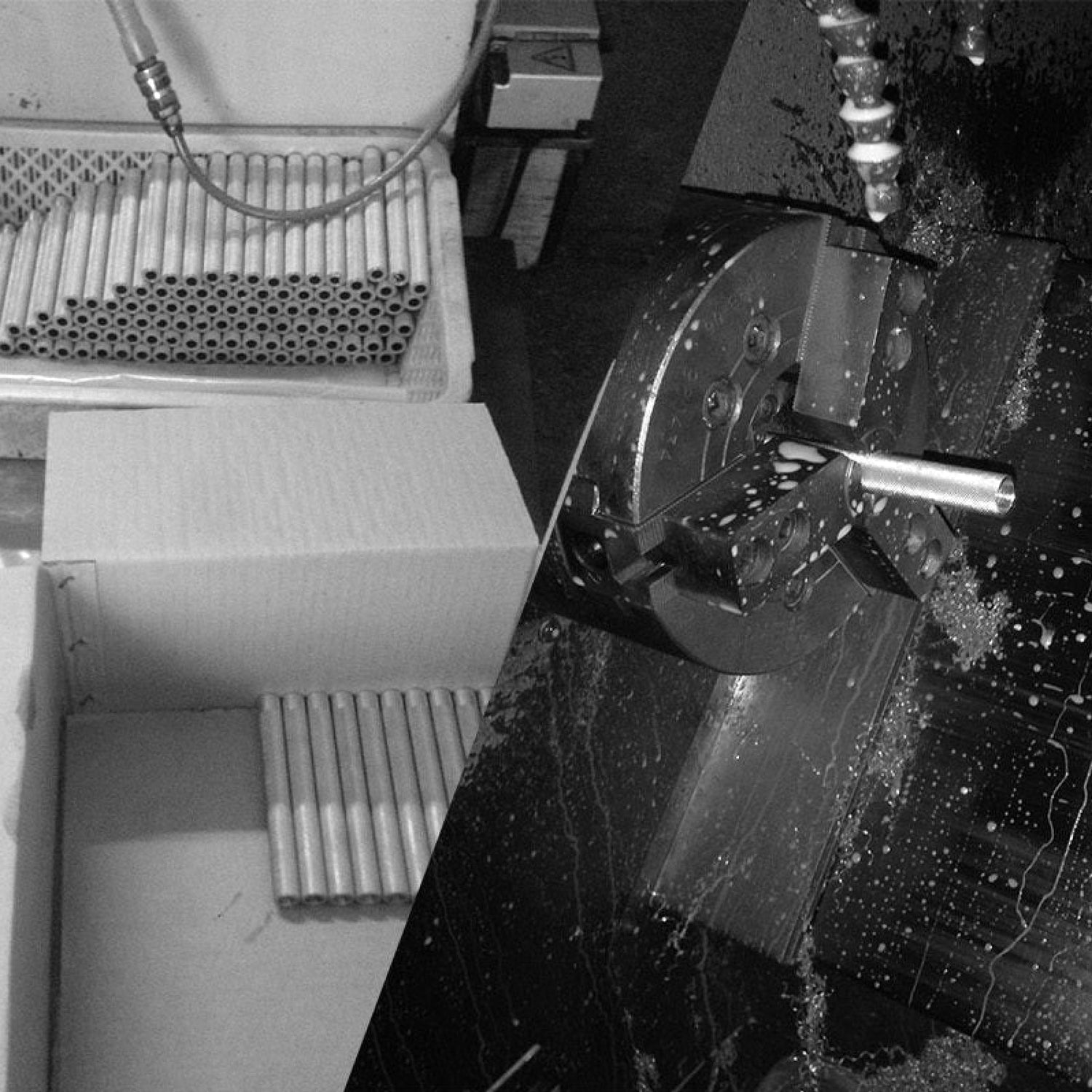
By 2010, we were prototyping in our cousin’s machine shop—grinding, testing, failing, and learning. Along the way, we realized through watching members of our gym try to get them that double-unders weren’t just a skill—they were a source of deep pride or even deeper frustration for the athletes.
If you had them, you were stoked. If you didn’t, you dreaded seeing them come up in a workout. And the rope made a big difference.
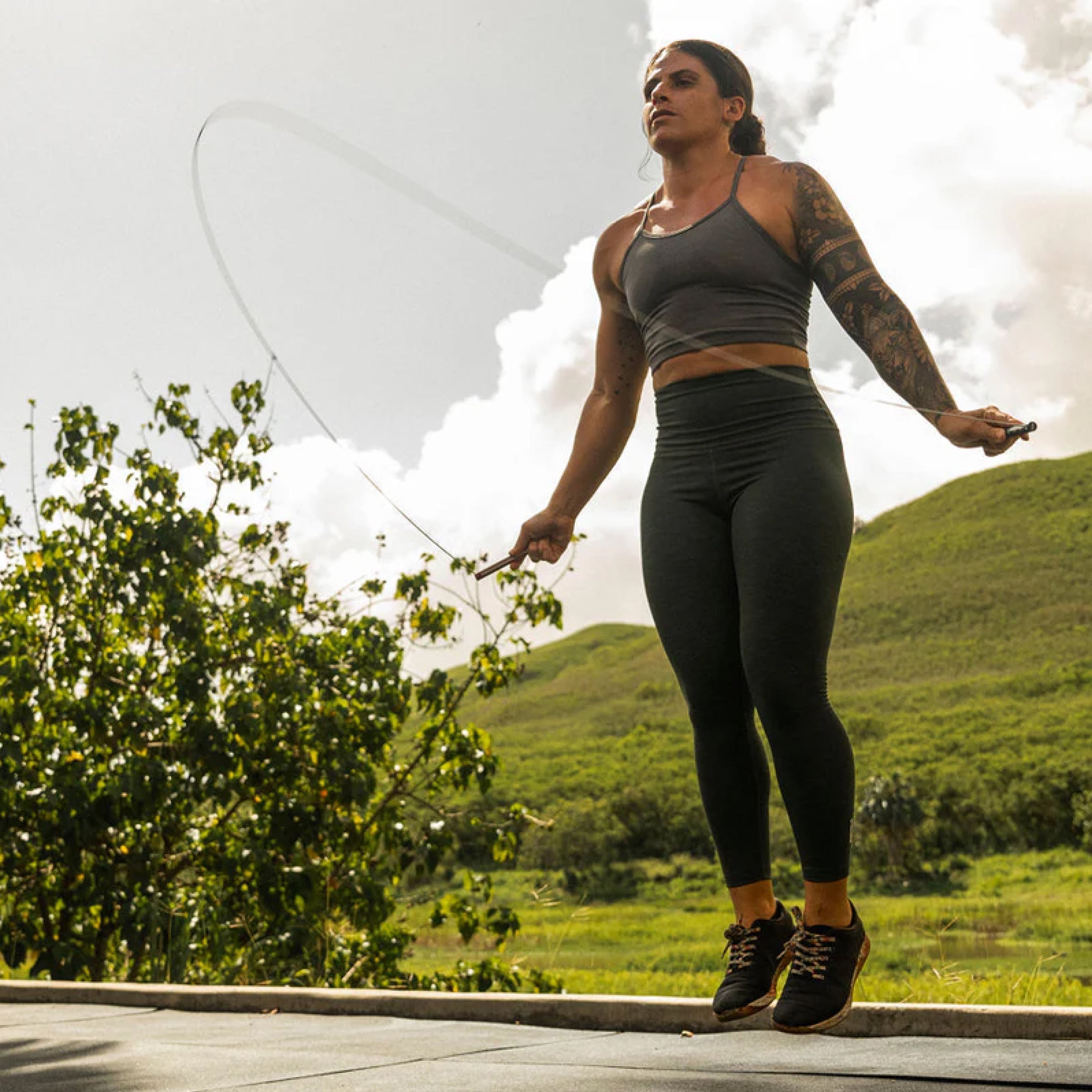
That insight hit even harder as time went on. Jump ropes are unique in the gym—they’re personal. You don’t need your own barbell or kettlebell, but if you want to master dubs, you need your own rope. Coaches knew it, athletes felt it. It wasn’t just another tool—it was your tool.
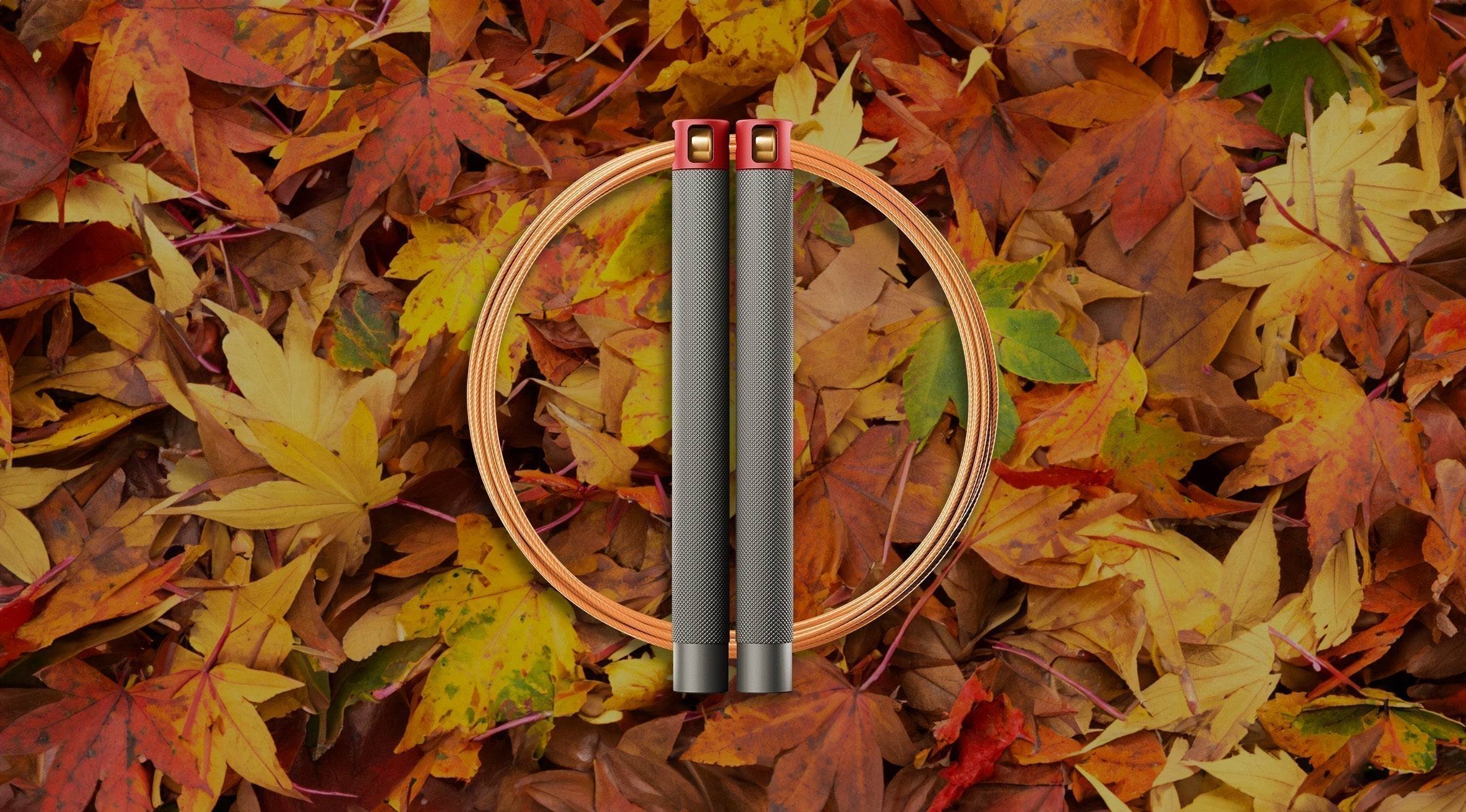
Finally, after years of iteration, we launched the original RPM Speed Rope at the 2012 NorCal CrossFit Regional. It featured precision-machined aluminum handles with a knurled grip that could survive a barbell drop, and our patented dual-axis rotation that eliminated torque and slop. It was fast, clean, and felt like an extension of your hand.
As adoption grew, athletes started bonding with their ropes, thanks to their superior double-under prowess, so we leaned into what made them personal. Custom colors, laser engraving, limited-edition designs—suddenly, your rope said something about you.
That’s how RPM became more than just a rope—it became a symbol of your lifestyle, both inside and outside the gym.

Leave a comment
This site is protected by hCaptcha and the hCaptcha Privacy Policy and Terms of Service apply.